
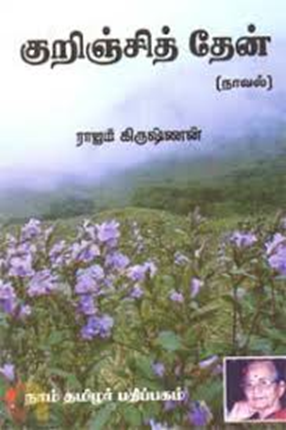
Rajam Krishnan’s fiction “Kurinjitthen” describes the lives of three generations of the Badagas ethnic community who migrated from the state of Karnataka after the tenth century AD. Through this novel, the cultural elements of three generations of the Badagas community are shared. It can be seen that the attachment of the first generation to the land is diminishing in the succeeding generations. Later, their culture was also mixed due to foreign contact. People who live in a materialistic society are greedy for money and start cultivating tea in their land. The Kurinji flower land is occupied by the tea plants. Rajam Krishnan constructs the struggle between old and new in fiction through characters. Time creates the environment for the next generation to accept the change. In this novel, Rajam Krishnan has written everything about the life, culture, change of time, and generation gap of Badagas. The core of the story is a tender love specific to the land of Kurinji and its disappointment. The literary space of Rajam Krishnan is also explored through this novel.
Kurinji Then (Sweetness of the Hills) by Rajam Krishnan is a poignant Tamil novel, translated as When the Kurinji Blooms, depicting three generations of the Badaga community in the Nilgiri Hills, exploring tradition, conflict, and change as modernization touches their lives, focusing on themes of love, resilience, family, and the clash between nature/simple life and societal pressures, all set against the backdrop of vibrant hill culture.
Core Story & Themes:
Generational Saga: The novel follows a family through three generations, showing their simple, nature-rooted life and the inevitable challenges brought by modern influences like tea/coffee plantations and money-driven values.
Nature & Culture: The title itself, referring to the blue Kurinji flower that blooms once every twelve years, symbolizes the sweetness and purity of their traditional life, which gradually fades.
Social Commentary: Rajam Krishnan, known for her research-based social novels, portrays the socio-economic struggles, women’s empowerment, and the changing dynamics of rural life in Tamil Nadu with empathy.
Human Spirit: Despite conflicts and tragedies, the story highlights the enduring human spirit, love, and the search for happiness amidst changing realities.
Key Aspects:
Setting: The lush, beautiful Nilgiri mountains, a distinct cultural landscape.
Characters: Well-developed characters rooted in Badaga traditions, experiencing personal growth and societal shifts.
Impact: A moving classic, praised for its emotional depth, cultural insight, and evocative portrayal of a unique community’s transformation.
In essence, Kurinji Then is a heartfelt narrative about preserving identity, navigating change, and finding sweetness in life’s bitter transitions, making it a significant work in Tamil literature.